
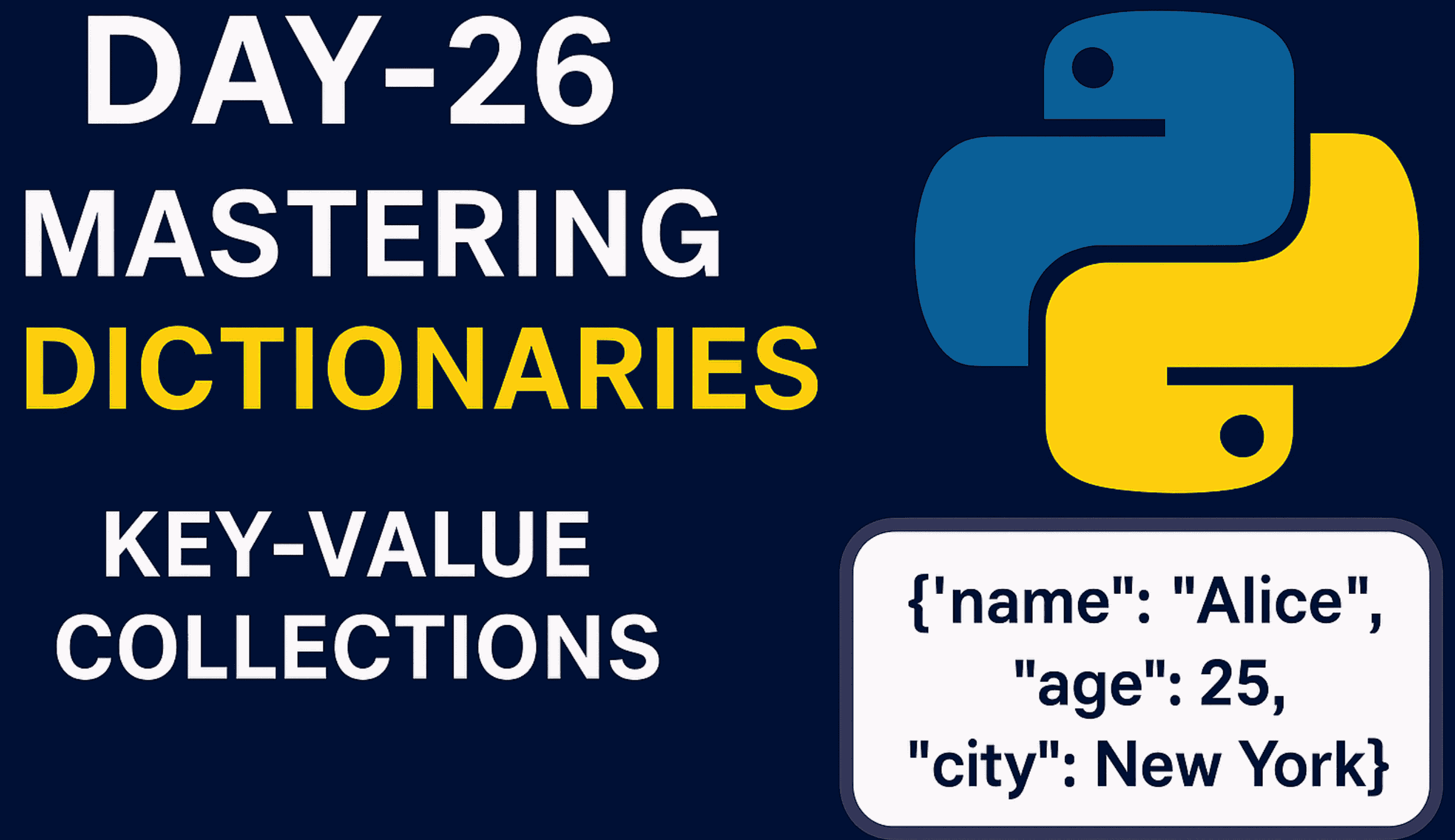
What is a Dictionary? A dictionary in Python is a collection of unordered, changeable, and key-value paired items.It is represented by curly braces {} with keys and values separated by a colon :. If you want to store data in key-value pairs, you can use a Dictionary. For example, to store a collection of related […]
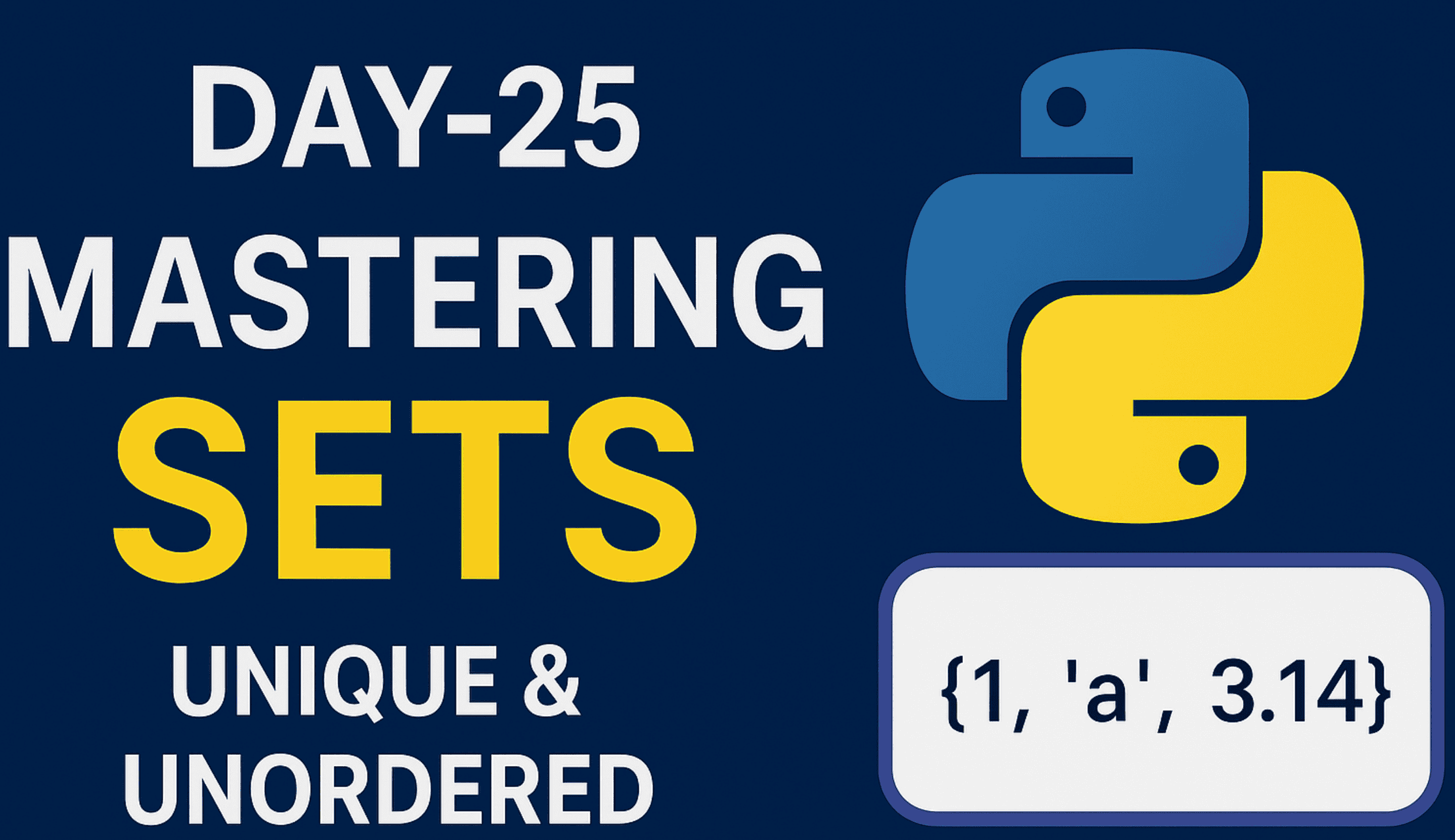
Day-25: Mastering Sets in Python – Unique & Unordered Collections
What is a Set? A set in Python is a collection of unordered, unindexed, and unique items.It is represented by curly braces {} or the set() function. Example: Here, we have created a set named fruits. It contains 3 items. Set Features Important Methods in Set { } Method Description Example add(x) Add element s.add(5) […]
Why Smart Investors Use Both Fundamental & Technical Analysis Together
When I first started studying the stock market, I often heard people discussing two big approaches: fundamental analysis and technical analysis. At first, I thought I had to pick a side — either study company reports and financial ratios or just look at price charts. But the more I learned, the more I realized that […]
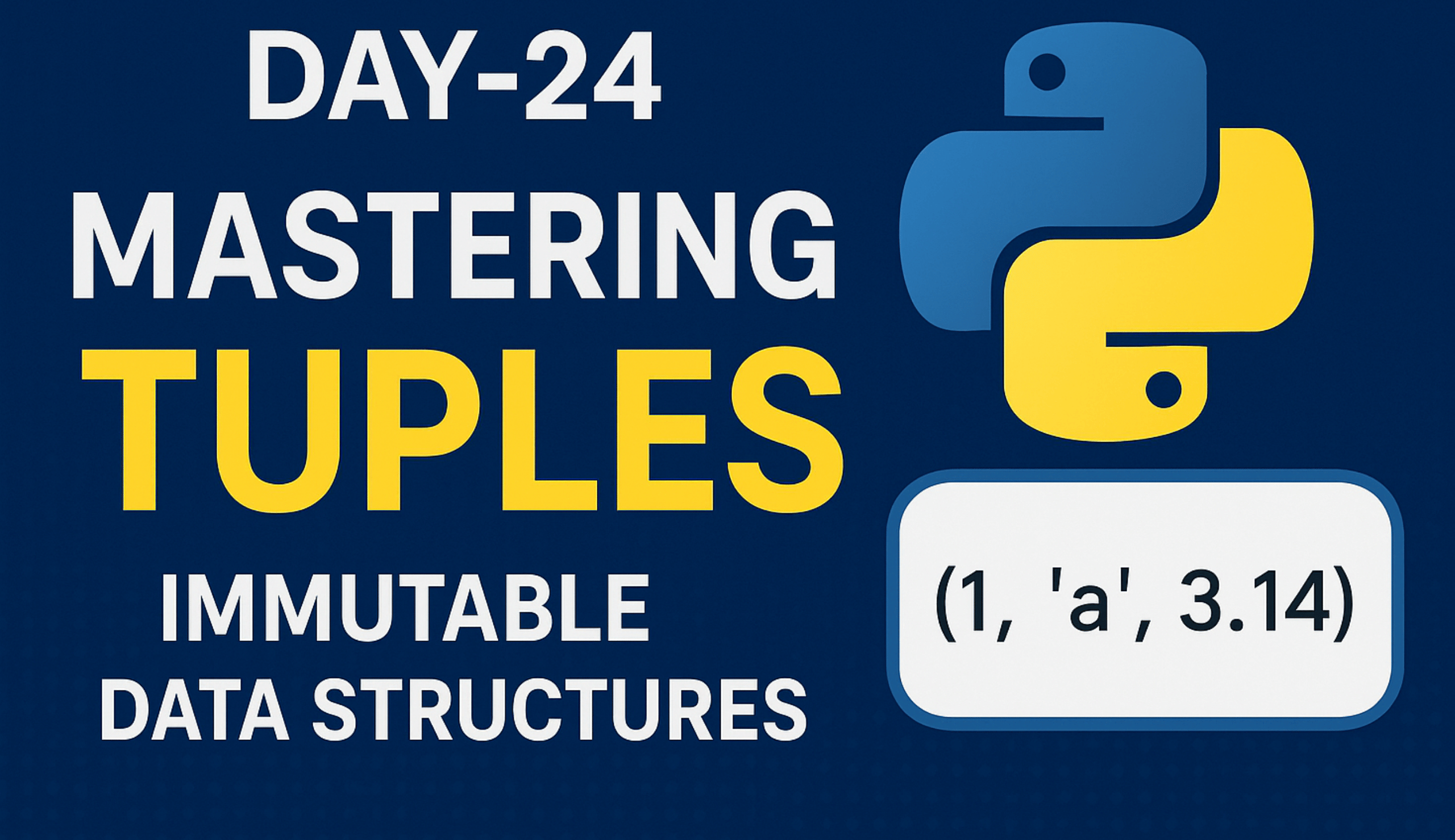
Day-24: Mastering Tuples in Python – Immutable Data Structures
Today on Day-24 of our coding challenge, we are diving into Tuples, one of Python’s most useful data structures. A tuple is like a list, but with one key difference — you cannot change it after creation. Tuples are perfect for storing fixed collections of data, such as days of the week, stock names, or […]
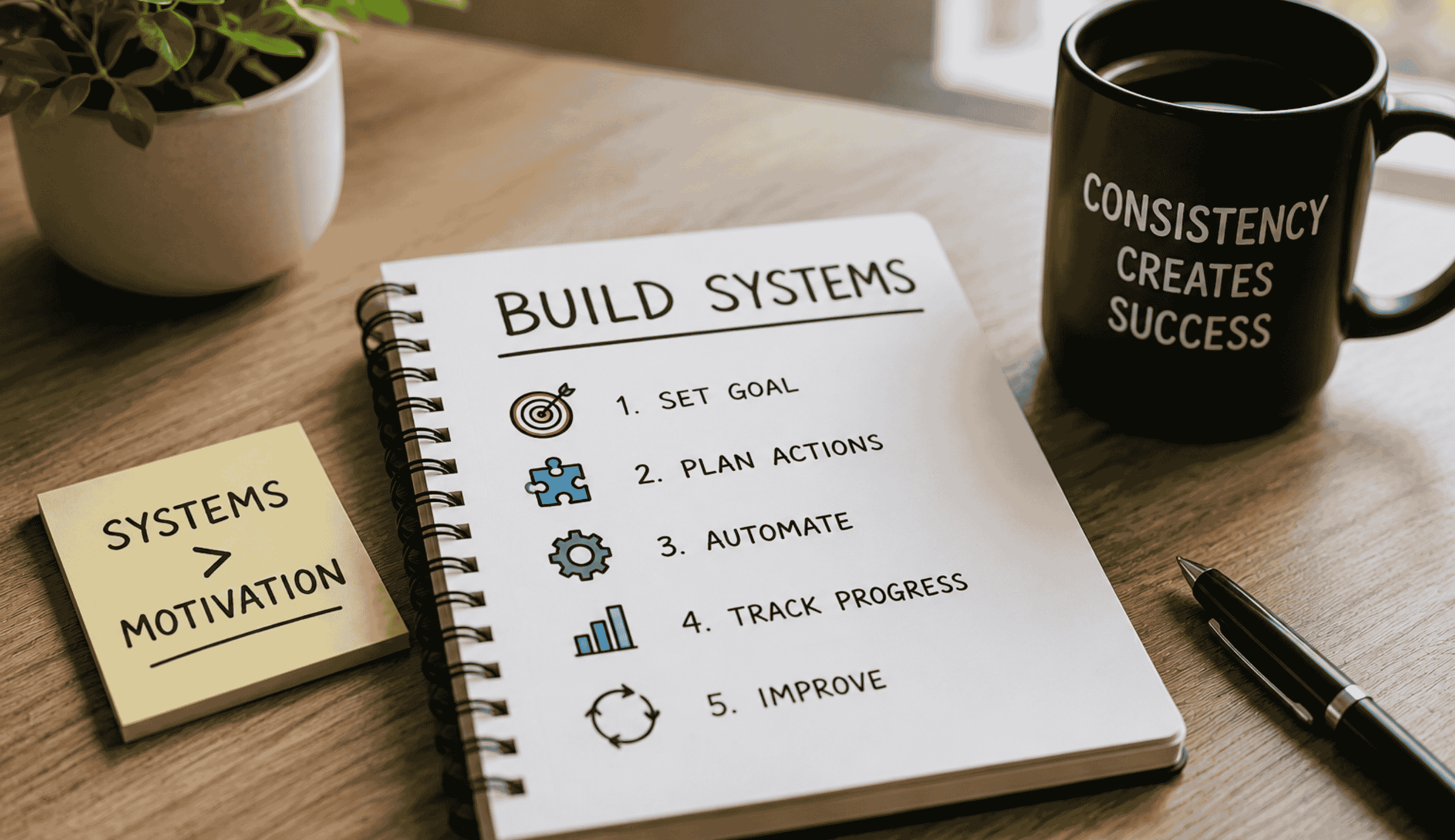
How to Build Systems to Actually Achieve Your Goals (Instead of Relying on Motivation)
Build systems to achieve goals instead of depending on motivation. Most people believe motivation is the key to success. They wait for the right mood, the perfect time, or a sudden burst of inspiration before starting their work. But the truth is simple: motivation does not last. Some days you feel highly energetic and productive. […]